Proof of Canadian citizenship surge after Bill C-3: what the new IRCC data means for applicants and timelines
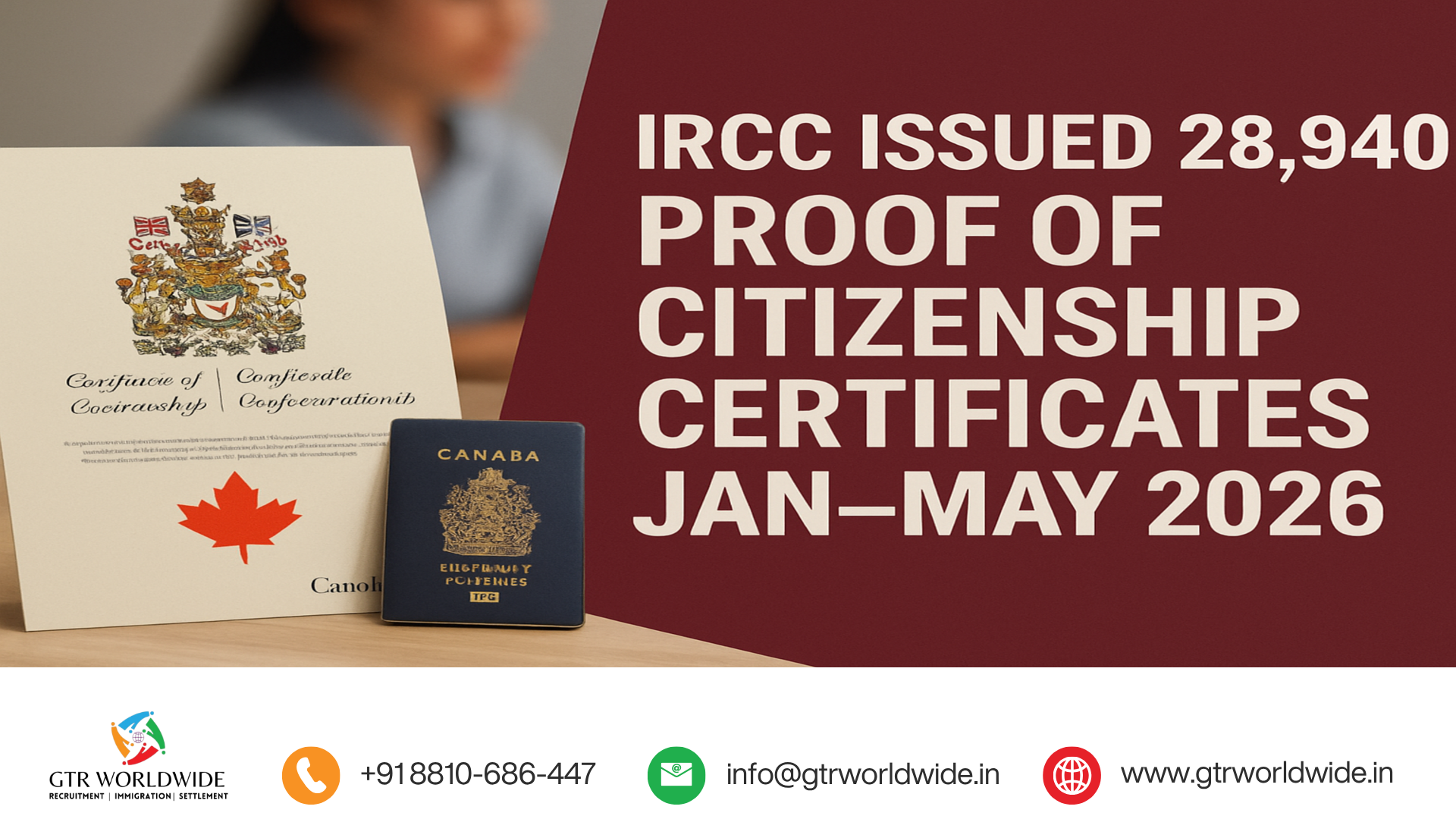
Immigration, Refugees and Citizenship Canada (IRCC) reported it issued 28,940 citizenship certificates to proof-of-citizenship applicants for the period January 1–May 31, 2026, in data published July 21, 2026. Over the same period, 82,020 proof-of-citizenship applications were still awaiting finalization as of May 31. Those figures reflect the immediate impact of Bill C-3, which took effect on December 15, 2025 and removed the first‑generation limit for people born before that date. IRCC’s published processing time for proof of citizenship rose from roughly nine months in November 2025 to 19 months as of July 2026.
How the rule change produced a documentation surge
Bill C-3 restored descent-based eligibility for people who were previously blocked by the first-generation rule. That change lets people who can trace lineage to a Canadian grandparent, great-grandparent or earlier ancestor claim citizenship by descent. News reporting cited by IRCC shows the department received more than 12,000 citizenship-by-descent applications between December 15, 2025 and the end of January 2026, approving almost 6,300 in that window — though only 1,480 of those approvals were explicitly under the expanded Bill C-3 eligibility. U.S. citizens were the largest single group approved in January 2026, with nearly 2,500 Americans that month.
A key point for applicants: being newly eligible does not automatically produce a travel document or identity certificate. People who already are Canadian citizens by birth, descent, or prior grant still need a proof-of-citizenship certificate from IRCC to apply for a Canadian passport or otherwise verify citizenship.
What the numbers show about demand and backlog
The two headline figures — 28,940 certificates issued versus 82,020 applications awaiting finalization for Jan. 1–May 31, 2026 — mean nearly three applications were in the queue for every one finalized during that five-month period. IRCC published finalization figures for proof of citizenship for the first time on its revamped “Inside IRCC’s application processing system” webpage.
For context, IRCC also finalized 131,420 citizenship-grant applications (naturalization) between January 1 and May 31, with 326,365 such applications still awaiting a decision as of May 31. Both streams are substantial, but the change to descent rules has produced a pronounced spike in the proof-of-citizenship queue.
Operational pressures behind longer timelines
IRCC’s data shows proof-of-citizenship processing time more than doubled in under a year — from about nine months to 19 months. Two main operational drivers are evident:
– A sharp rise in application volume after Bill C-3 took effect.
– Bottlenecks in obtaining historical records: provincial archives and other custodians of vital records report heavy demand, and delays in getting certified birth, marriage, or death records slow many applications.
Practical implications for applicants and families
If you are considering a proof-of-citizenship application or helping someone who is, keep these points in mind:
– Expect longer waits: use IRCC’s 19-month processing time (as of July 2026) as a planning baseline for files submitted after December 2025.
– Start document searches early: archival requests and certified copies of historical records often take weeks or months.
– Ensure application completeness: missing or incorrect documents are a common source of added delay.
– Remember approvals don’t equal passports: a citizenship certificate from IRCC is needed before applying for a Canadian passport.
– Watch geographic concentration: high demand from U.S. applicants, especially descendants of historical Canadian migration to New England, may produce local bottlenecks for records and service.
Documentation and application risks to watch
– Genealogical evidence: proving descent usually requires multi‑generational certified records.
– Record format and authenticity: IRCC requires specific formats and certified copies; mismatches can trigger requests for more evidence.
– Incomplete applications: in the current high‑volume environment, omissions can add many months.
What to monitor next
Track these signals to see whether backlogs ease or worsen:
– IRCC updates to processing times and finalization counts for proof of citizenship and citizenship grants.
– Reports from provincial archives on turnaround times.
– Any IRCC breakdowns showing how many approvals are specifically under Bill C-3.
– Announced operational changes or prioritizations affecting certain application categories.
Why this matters beyond individual cases
The data published July 21 shows that changing who is legally recognized as a Canadian citizen by descent has concrete administrative consequences: more demand for government identity documents, strain on archives and records systems, and longer waits for people who need certificates to exercise citizenship rights. For advisors, policy analysts, and affected families, the numbers highlight the gap that can exist between legal eligibility and timely access to the documents that make that eligibility usable.
For personalized support with your Canadian immigration pathway, contact GTR Immigration. Call us: +91-8810-686-447
#CanadianCitizenship #BillC3 #ProofOfCitizenship #IRCC #CitizenshipByDescent #ProcessingTimes #ImmigrationPolicy
Leave a Reply