Bill C-3 and Canadian citizenship by descent: who may already be Canadian and why this matters
Immediate update — why this matters
On December 15, 2025, Canada removed the “first generation” limit on citizenship by descent through Bill C-3. People born before that date who can trace an unbroken line to a Canadian ancestor — a grandparent, great‑grandparent or earlier — may already be Canadian citizens. Since the change took effect, tens of thousands of Americans have applied for a certificate of proof of Canadian citizenship to confirm status they may now hold. For many, this creates a potential second passport and a long‑term safety net without requiring immediate relocation.
Why this change happened
Bill C-3 follows a December 2023 Ontario Superior Court ruling that found the previous first‑generation limit unconstitutional because it cut off citizenship for children born abroad. The new law expands eligibility to anyone who can document an unbroken line of descent from a Canadian ancestor.
Why interest in Canada is growing
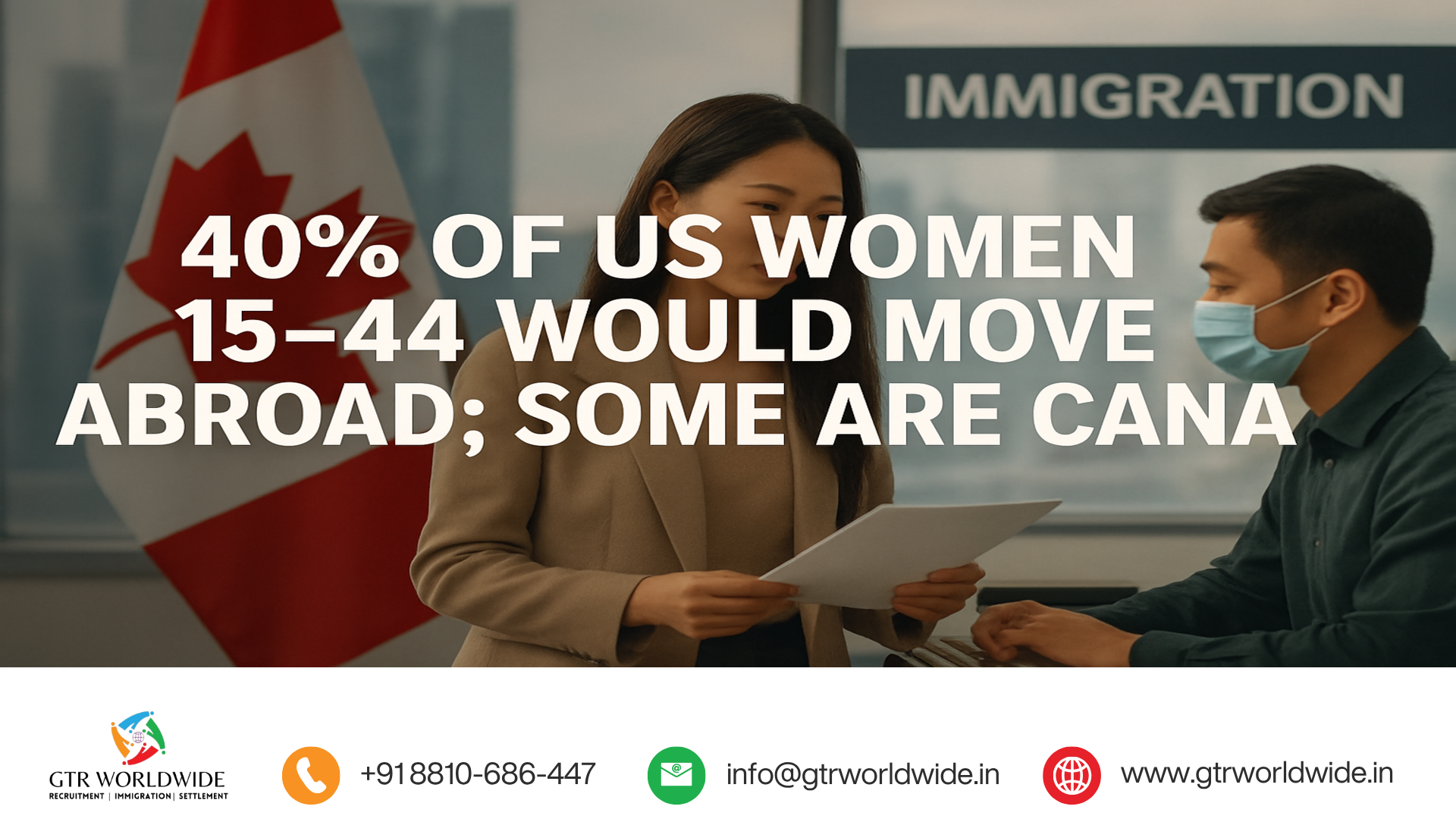
A 2025 Gallup poll found 40% of American women aged 15–44 would move permanently if they could; 11% named Canada as their top choice. That rising interest is part of a longer trend and appears linked to concerns about safety, family policy, healthcare, and workplace conditions.
What Bill C-3 changes
The law removes the statutory cutoff that limited citizenship by descent to the first generation born abroad. Eligibility now depends on proving an unbroken line of descent through documentation. The certificate of proof of Canadian citizenship is the official document confirming that status, and many eligible people are applying for it.
Who is most likely affected
– Americans with Canadian ancestors: If you have a Canadian grandparent, great‑grandparent or earlier ancestor, you may be covered.
– People in New England: Between 1840 and 1930, nearly 900,000 French‑speaking Canadians migrated from Quebec to New England; descendants in that region have higher odds of Canadian ancestry.
– Younger women and families weighing relocation or contingency planning: The Gallup data show stronger interest in leaving the U.S. among younger women.
– LGBTQ Americans and parents of LGBTQ children: Provincial human rights protections for gender identity and Canada’s diverse social environment are factors for some families.
– People seeking a backup option or second passport: Many applicants are pursuing proof of citizenship as a contingency rather than as an immediate move.
How this connects to policy differences that matter
– Safety and women’s security: Canada ranks higher than the U.S. on the Women, Peace and Security Index (Canada 16th, U.S. 31st in 2026), reflecting measures of inclusion, justice and security.
– Parental leave: Outside Quebec, new parents in Canada can take up to 84 weeks of combined paid leave through federal EI programs. U.S. federal FMLA provides up to 12 weeks of unpaid, job‑protected leave for eligible employees, with state and employer variation.
– Reproductive rights: Abortion is legal across Canada without federal criminal restrictions; in the U.S., access varies by state following the overturning of Roe v. Wade.
– Work‑life balance and labour standards: Federal law in Canada guarantees two weeks’ vacation after one year for most employees; many U.S. jurisdictions have no statutory vacation minimums. Some provinces have rules limiting after‑hours communications.
– Human rights and diversity: Gender identity protections exist in every Canadian province, and the 2021 census reported over 450 ethnic and cultural origins in Canada.
Practical steps and required documents
– Start family research: Talk to your oldest relatives to identify the anchor ancestor — the Canadian through whom a claim would run. Clues can include a French‑Canadian surname, an ancestor who spoke French, or family stories of living “up north.”
– Gather vital records: You will need birth certificates, marriage certificates and records of any name changes for every generation between you and the Canadian ancestor. These documents form the chain of proof.
– Apply for proof of citizenship: Complete and submit the application to Canada’s citizenship department with the required documentation. The source does not provide processing timelines or fees; rely on official guidance for those details.
Practical consequences
– A legal safety net without moving: A certificate provides confirmed legal status that can be used later for travel, a second passport or future relocation.
– Family continuity: Confirmed citizenship can simplify access to Canadian rights for current and future generations, subject to qualifying conditions.
– Administrative effort: Gathering multigenerational records can be time‑consuming and sometimes costly, but it can establish a lifetime status.
Limitations and uncertainties
– The change applies to people born before December 15, 2025 who can show descent to a Canadian ancestor.
– Documentation is decisive: missing or inconsistent records can delay or block a successful claim.
– Many applicants are seeking proof as contingency planning rather than immediate relocation.
– The 2023 court ruling prompted the legislative change; future legal developments could affect interpretation, so monitor official guidance.
Common questions (based on the source)
– Am I a Canadian citizen now? If you were born before December 15, 2025 and can document an unbroken line to a Canadian ancestor, you may already be a citizen — but you need the certificate to confirm it officially.
– How do I find the right ancestor? Start by speaking with eldest relatives; family names, language and stories can help pinpoint the anchor ancestor.
– What documents are required? Birth and marriage certificates and records of name changes for every generation between you and the ancestor.
– Do I have to move to Canada to benefit? No — many pursue proof of citizenship as a backup without plans to relocate.
Final considerations
Bill C-3 turns documented family history into a tangible legal option for many people. The main hurdle is documentary: identifying the anchor ancestor and assembling certified vital records for each generation. Given the reported surge in interest since the law took effect, now is a good time to start family inquiries if you suspect Canadian roots.
For personalized support with your Canadian immigration pathway, contact GTR Immigration. Call us: +91-8810-686-447
#CanadianCitizenship #BillC3 #CitizenshipByDescent #ProofOfCitizenship #CanadaImmigration #UStoCanada #DualCitizenship
Leave a Reply