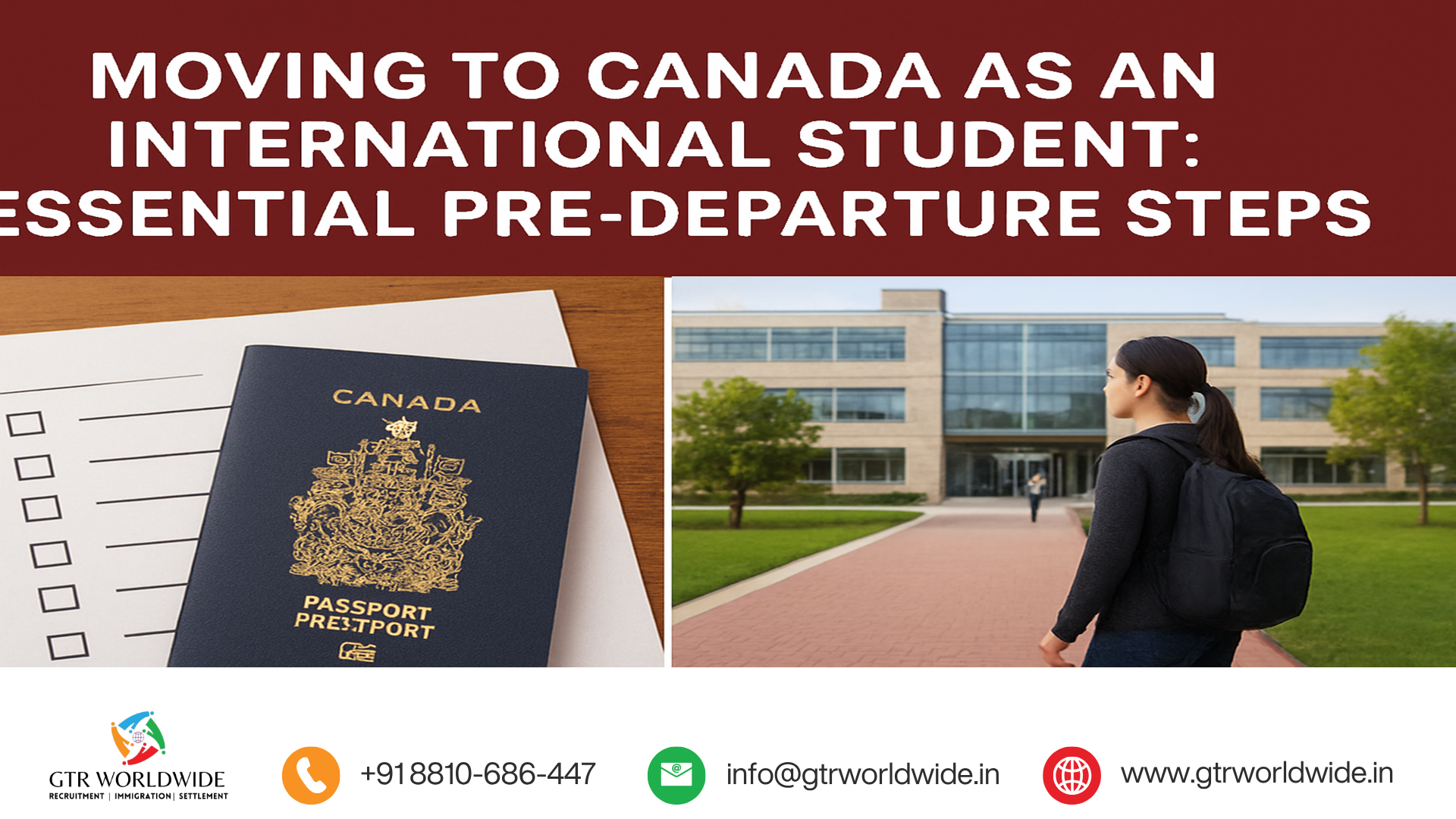
Preparing to Study in Canada: An essential pre-departure checklist for international students
Why this checklist matters
If you plan to study in Canada, what you do before you leave is as important as choosing a school. This post summarizes eight key steps to complete before departure: accept your DLI offer, apply for a study permit, organise documents, check health coverage, arrange housing, plan finances, set up banking, and learn about daily life where you’ll study. Missing any of these can cause delays, extra costs, or stress on arrival.
How admissions-to-arrival typically works
Most students need a letter of acceptance from a Designated Learning Institution (DLI) to start a study permit application. That letter is also commonly requested at the port of entry. For programs longer than six months, a study permit is usually required. The application asks for information about your program, identity, and finances and may request extra documents depending on your situation. Apply early to allow time for processing and any follow-up requests.
Core documents to prioritise
Organise these records before you travel and keep both paper and secure digital copies:
– Letter of acceptance from a DLI
– Valid passport or travel document
– Study permit approval documents (once issued)
– Confirmation of a Guaranteed Investment Certificate (GIC), if required
– Proof of funds and other financial records
– Health insurance details and relevant medical records or vaccination records
Store electronic copies in a reliable cloud service or an encrypted portable drive. Be careful with personal information and only share documents through verified, official channels.
Why a study permit is essential
A study permit is generally required for programs over six months. It demonstrates eligibility and sufficient funds, and officials may request supporting documents. Having approval documents accessible while you travel and at the border is important to avoid denied boarding or entry delays.
Health coverage varies by province—plan ahead
Public health coverage for international students differs across provinces and territories. In some areas students may be eligible for public plans; in others they must have private or school-provided insurance. Before you arrive:
– Check the health coverage rules in your destination province.
– Confirm whether your school requires a specific plan.
– Bring proof of insurance and relevant medical records.
Housing decisions that affect your first months
Housing influences your budget, commute, and sense of security. Typical options are student residences, shared apartments, or private rentals. When comparing options, consider cost (and utilities), commute and transit, lease terms and deposits, and neighbourhood safety and amenities. Research ahead to avoid rushed choices on arrival.
Financial planning and the role of a GIC
Plan for more than tuition—include housing, food, transport, books, and personal expenses. A Guaranteed Investment Certificate (GIC) may be used in some cases to show available funds and to provide initial funds on arrival. If a GIC applies to you, secure the documentation before travelling and make a realistic budget for your first months.
Banking in Canada: practical steps
Opening a Canadian bank account makes everyday payments easier and can reduce foreign transaction fees. Student accounts often include fee waivers, digital banking, and language support. When choosing an account, compare monthly fees, transaction limits, ATM access, and online services. A local account also helps with rent, receiving eligible work income, and building a credit history.
Everyday life: transit, weather, and community resources
Learn about local transit, expected commute times, and seasonal weather so you can pack and plan appropriately. Use your school’s pre-arrival resources, join orientation sessions, and connect with current students or alumni for practical tips on neighbourhoods and campus life.
Who these steps affect
– Applicants: Missing a DLI letter or proof of funds can halt a study permit application.
– Families: Dependants should coordinate documents, finances, and housing early.
– Institutions and employers: Access to campus services and work depends on valid permits and local accounts.
– Province-specific newcomers: Health coverage rules vary and may require private plans.
Final checklist before you board
Before you travel, confirm you have:
– Your DLI letter (and a digital backup)
– Passport and any study permit approval documents
– GIC confirmation, if applicable
– Proof of funds and bank statements or guarantees
– Health insurance details and medical/vaccination records
– Confirmed accommodation or temporary housing for arrival
– Means to access funds on arrival (bank setup plan or cards/cash)
– Emergency contacts and a basic understanding of local transit and orientation dates
For personalized support with your Canadian immigration pathway, contact GTR Immigration. Call us: +91-8810-686-447
#InternationalStudents #StudyInCanada #StudyPermit #StudentChecklist #CanadianHealthCare #StudentHousing #InternationalBanking #PreDeparturePreparation
Leave a Reply