Canadian citizenship by descent after Bill C-3: why Lewiston’s “Little Canada” may hold unexpected passports
Immediate change and why Lewiston residents should pay attention
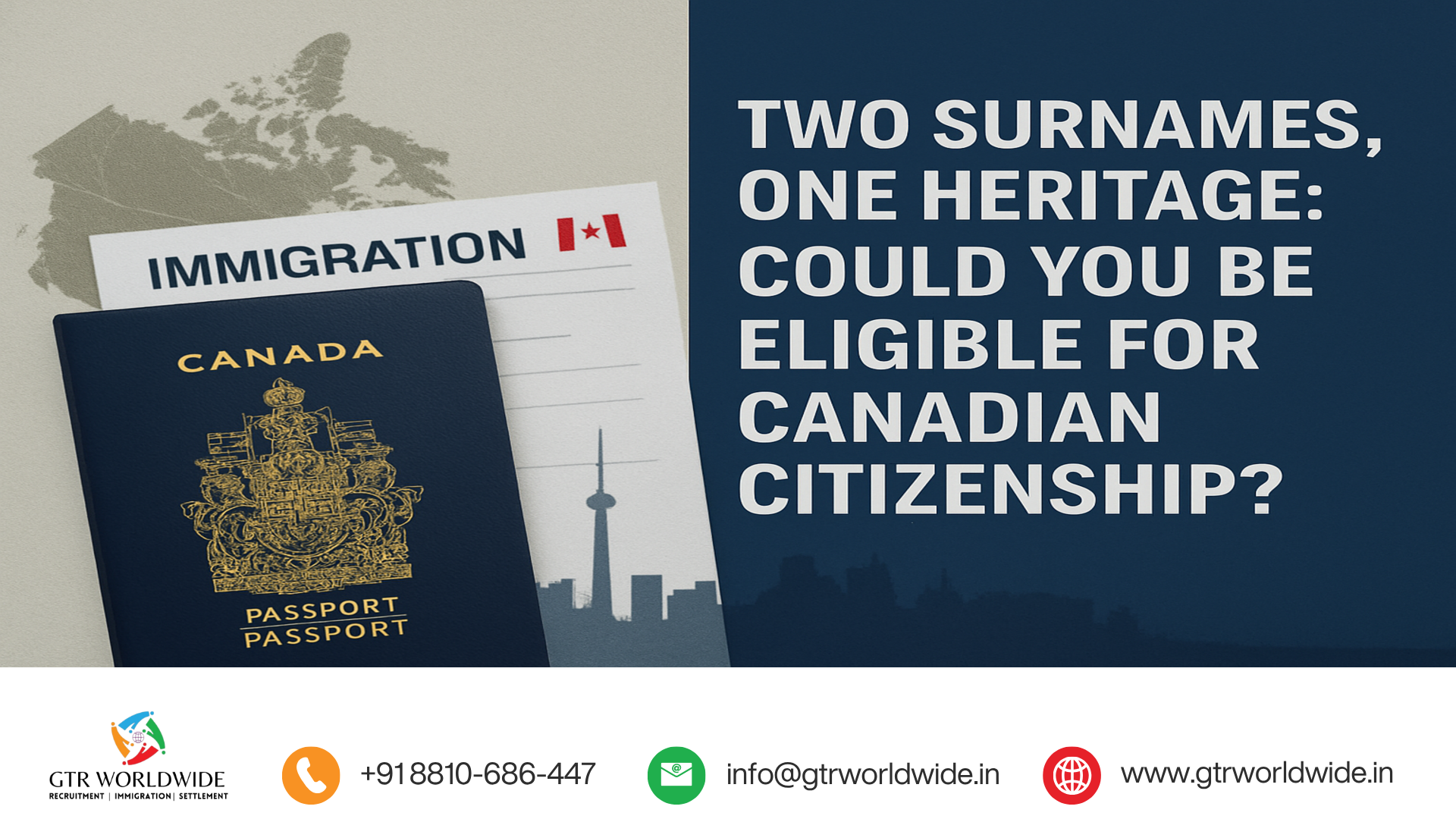
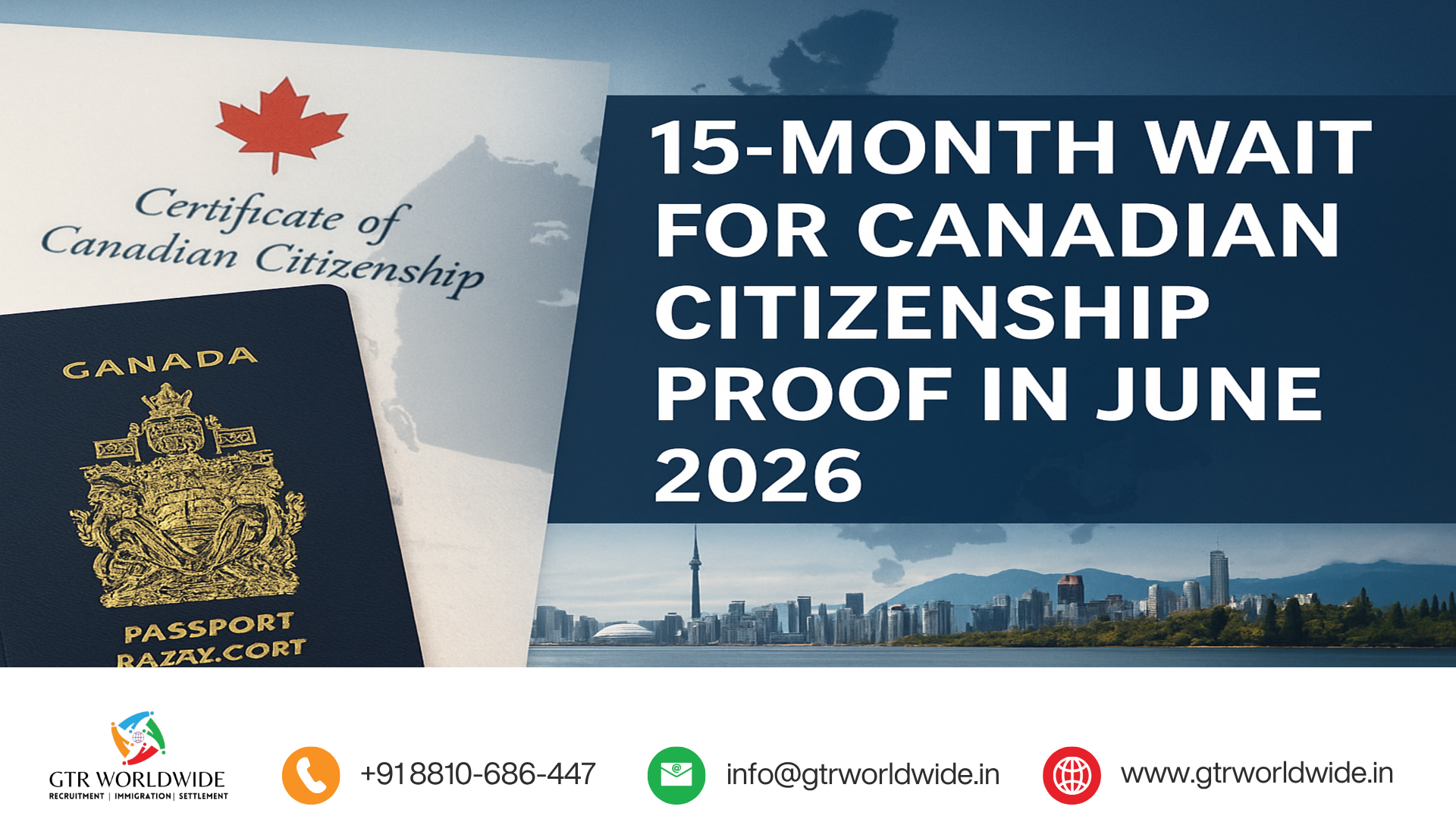
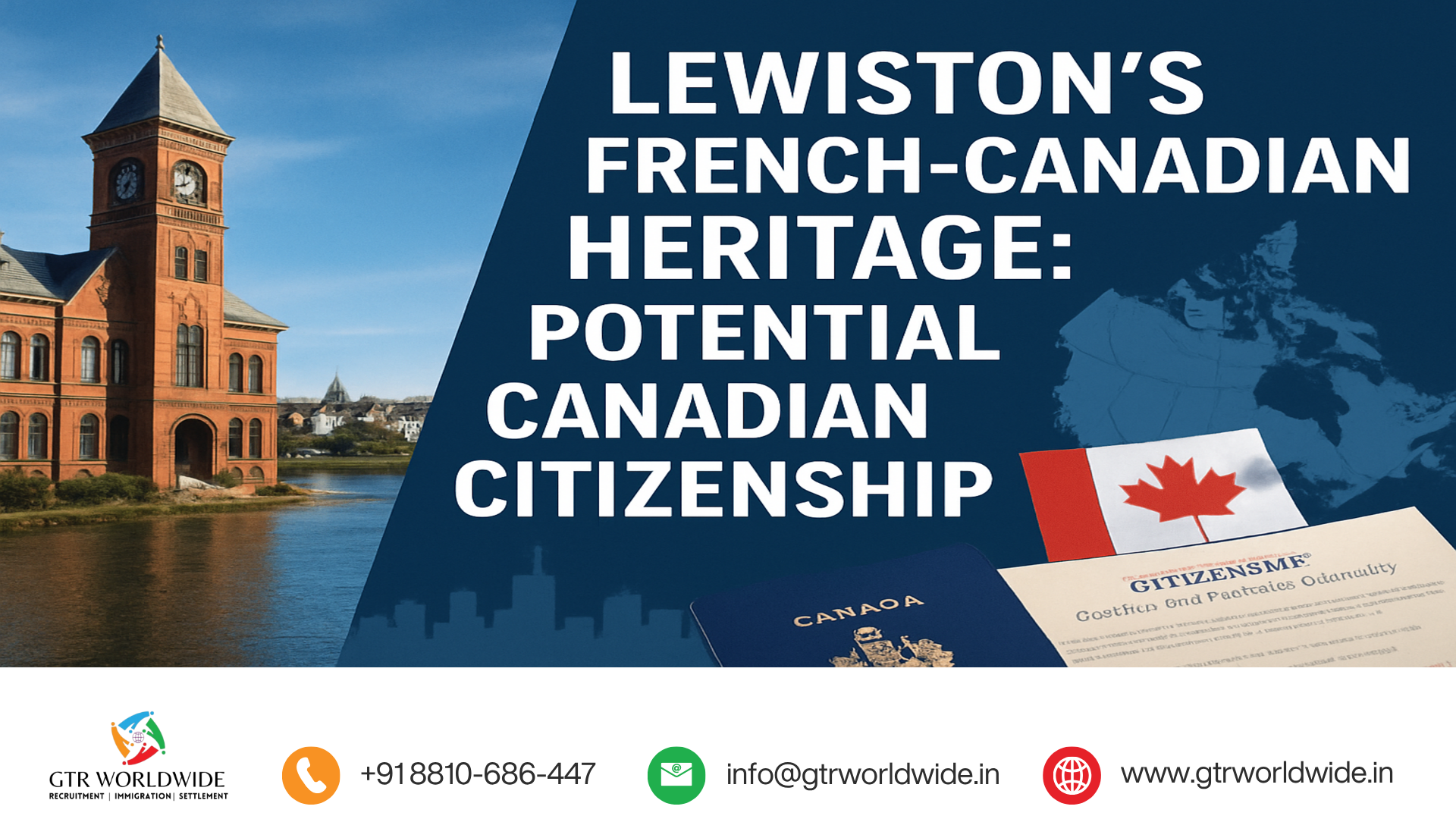
Bill C-3, which came into force on December 15, 2025, removed the old first‑generation limit on Canadian citizenship by descent. For residents of Lewiston, Maine—where Franco‑American heritage runs deep—this legal change could convert family history into a current legal status. If you were born outside Canada and can document an unbroken line to a Canadian ancestor, you may already be a Canadian citizen under the new rules. To confirm and make that status usable (for example, to apply for a Canadian passport), you must apply for a citizenship certificate. Processing time for that certificate is currently 15 months. This update matters because Lewiston’s population includes a very high concentration of people with Quebec and Maritime French ancestry; many may qualify but have not yet investigated the possibility.
How a 19th‑century migration explains today’s potential eligibility
Lewiston’s French‑Canadian identity began in the 1870s when trains arriving at the Grand Trunk Station brought large numbers of workers from Quebec and Acadian communities in the Maritimes. Between roughly 1870 and 1930, about 720,000 French Canadians moved to the United States; Lewiston was one of the primary destinations. Local counts track that change sharply: fewer than 100 French Canadians were recorded in the city in 1860; by 1880 there were 4,714; by 1900 the number was 13,300. Generations of families settled in a compact neighborhood along the Androscoggin River that became known as Little Canada, complete with French parishes, Catholic schools and the long‑running newspaper Le Messager. That density preserved language, community ties, records and family memory across generations—elements that now help in tracing legal descent back to a Canadian ancestor.
What Bill C‑3 actually changed in legal terms
Before Bill C‑3, Canada limited citizenship by descent: a person born outside Canada could generally claim citizenship only if their parent was a Canadian citizen at the time of their birth — the so‑called “first‑generation limit.” The 2025 reform removed that barrier in most cases, opening citizenship-by-descent eligibility to people born abroad who can show a continuous chain of descent to a Canadian ancestor. The law does not automatically produce documentation; instead, it changes the legal footing. To demonstrate the status in practice, an individual must obtain a citizenship certificate from Canada’s citizenship authority—the statutory document that proves Canadian citizenship and is needed to apply for a Canadian passport.
Who in Lewiston could be affected and why the local scale matters
Lewiston’s Franco‑American profile makes it one of the U.S. cities most likely to contain many people with eligible Canadian ancestors. The University of Southern Maine’s Franco‑American Collection describes Lewiston as a city of roughly 60% French‑Canadian ancestry. Applying that institutional estimate to Lewiston’s 2024 American Community Survey five‑year population of 38,324 produces an illustrative figure of about 23,000 residents with French‑Canadian roots. This is a heritage estimate, not a count of documented descent or citizenship; nevertheless it signals scale. Many of these families came from Quebec or from Acadian communities in New Brunswick and the Maritimes—places where the relevant birth, baptismal and marriage records are likely to be held today. That concentration increases the practical odds that a significant number of Lewiston residents may meet the documentary chain required by the new law.
Documentary chain: what applicants must show and where to look locally
The central requirement for a citizenship certificate application is proof of an unbroken chain of descent from a Canadian ancestor to the applicant. In practice this means locating official civil records for each generation in the line—commonly birth certificates, marriage certificates and sometimes baptismal records or equivalent church registers. Because many Lewiston family lines originate in Quebec, applicants will often need Quebec civil records. In Quebec, birth and marriage records are issued by the Directeur de l’état civil (the provincial registrar). The citizenship application must rely on authoritative civil documents from the relevant issuing authorities—not genealogical abstracts alone.
Lewiston residents have practical advantages when starting this work. Local research collections include:
- Lewiston Public Library: city directories (back to 1883), cemetery indexes, marriage and baptismal records, naturalization papers and a complete microfilm run of Le Messager.
- Maine Franco‑American Genealogical Society: Quebec parish marriage abstracts, Acadian and Maritime records, and Maine obituaries connected to French‑Canadian families.
- University of Southern Maine’s Franco‑American Collection: focused holdings on Lewiston‑Auburn Franco‑American history and community sources.
These repositories can provide leads and family context, but applicants should remember that official civil records for an application must come from the government authorities that issued them.
Why anglicized names and lost memory matter for legal tracing
One practical obstacle is the long history of name changes and assimilation. Across New England, French‑Canadian and Acadian families frequently anglicized surnames as they assimilated: Leblanc could become White; Charpentier might become Carpenter; La Rivière shows up as Rivers. A family that today uses an English surname and no longer identifies publicly as French‑Canadian may nonetheless have a direct Quebec‑born great‑grandparent in its genealogy. That ancestor remains legally relevant to citizenship by descent but may be invisible unless the family traces records deliberately. Because heritage descriptions rely on self‑reporting and memory, official estimates of ancestry likely undercount the true number of people with Canadian ancestors.
What the change does — and does not — do for everyday life
Bill C‑3 alters legal eligibility; it does not grant an automatic travel document or passport. The new law creates potential citizenship for many who were born abroad; to make use of that status, individuals must apply for a citizenship certificate. Only once the certificate is issued can a person apply for a Canadian passport. The certificate is the definitive legal proof used by Canada’s citizenship department. Processing is not instantaneous: the current stated processing time for a citizenship certificate is 15 months. The application is documentary in nature; decisions rest on whether the applicant can establish the continuous chain of civil records from the Canadian ancestor to themselves.
Who should consider investigating their family line now
The group most directly affected are people born outside Canada who can reasonably point to an ancestor born in Canada—especially those from communities with concentrated migration from Quebec and the Maritimes. In Lewiston, that includes long‑established Franco‑American families and their descendants. The change may also matter to:
- Individuals who have family lore about a Canada‑born grandparent or great‑grandparent but lack confirmation.
- Young adults whose parents or grandparents emigrated from Quebec or Acadian New Brunswick.
- People who currently hold U.S. citizenship but may want the option of a Canadian passport or access to Canada’s systems.
The mere presence of a Quebec‑born ancestor is not enough; applicants must document the chain of descent.
Practical steps and common challenges when preparing an application
Start locally: use Lewiston’s library and archival collections to map family lines, identify names, dates and the likely parish or civil registration district in Quebec or the Maritimes. From there, contact the civil authority that issues the records—such as the Directeur de l’état civil in Quebec—to obtain official copies.
Expect common challenges:
- Name variations: anglicized or variant spellings will require extra cross‑checking and supporting documents to match identities across generations.
- Gaps in records: church registers and civil registrations can be fragmented; where documentary gaps exist, applicants may need alternative supporting documents like baptismal records, naturalization papers or local newspaper notices—but only the official civil documents from the issuing government will ultimately satisfy the citizenship application.
- Generational proof: the application requires documents for every link in the chain. Missing a single generation’s civil record can halt an otherwise plausible claim.
Applicants may prepare their application themselves or hire an authorized representative, such as a Canadian immigration lawyer, to assemble documents and submit the file.
Why local institutional holdings still matter, despite official record requirements
Genealogy libraries and community archives rarely substitute for civil registration, but they are invaluable in locating leads. City directories, parish indexes, obituaries, and historical newspapers like Le Messager help establish approximate dates, family structures and migration paths. Once a lead points to a specific parish in Quebec or a district in the Maritimes, applicants can target the relevant government office for certified copies. The richer the documentary trail you can assemble from local sources, the easier it becomes to identify the exact civil records you need to request.
Timing, expectations and next‑step priorities
If you suspect eligibility, prioritize these steps:
- Gather what you already have: family birth, marriage and death certificates, baptismal records, and any naturalization papers.
- Search Lewiston’s local collections for corroborating documents—city directories, cemetery records, parish registers, and microfilmed newspapers.
- Identify the likely Canadian issuing authority for each ancestor (for Quebec, the Directeur de l’état civil) and request official civil copies when you know precise names and dates.
- Decide whether to prepare the citizenship certificate application yourself or through an authorized representative.
Bear in mind the current processing time for a citizenship certificate is 15 months; start early and plan for documentary searches to take time.
Why this matters beyond personal heritage
For individuals, confirming Canadian citizenship by descent opens practical options: holding a Canadian passport, exercising rights available to citizens, and having an additional national identity tied to documented ancestry. For communities like Lewiston, the law reconnects legal status to a long transborder history: the same migration flows that built Little Canada in the 19th and early 20th centuries may now provide living descendants with a formal legal link to Canada. That link can alter personal choices about travel, work and family planning for descendants who qualify.
For personalized support with your Canadian immigration pathway, contact GTR Immigration. Call us: +91-8810-686-447
#BillC3 #CanadianCitizenship #CitizenshipByDescent #Lewiston #FrancoAmerican #QuébecRecords #Genealogy #ImmigrationAdvice